Mrah el Mir Qlayaat – The Monastery of St Rock

St.Rock Church كنيسة مار روكز, Lebanon

Other Details

دير مار روكز

Qleiaat Kesrouane

Keserwan

Mount Lebanon

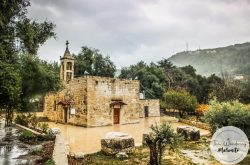
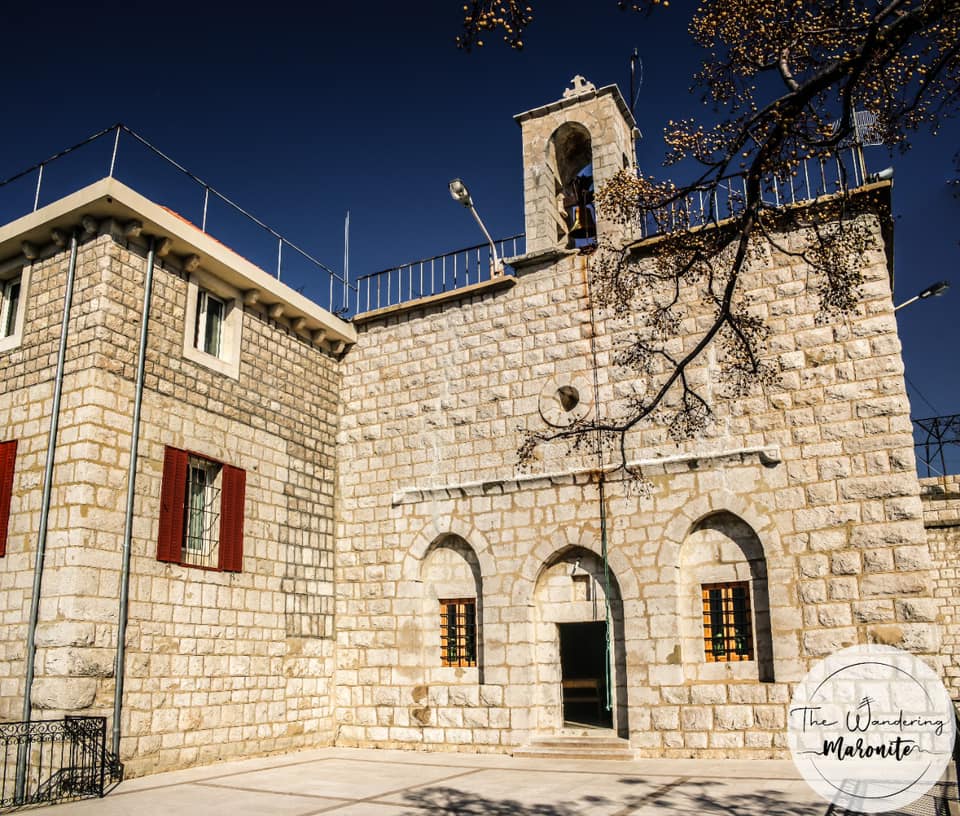
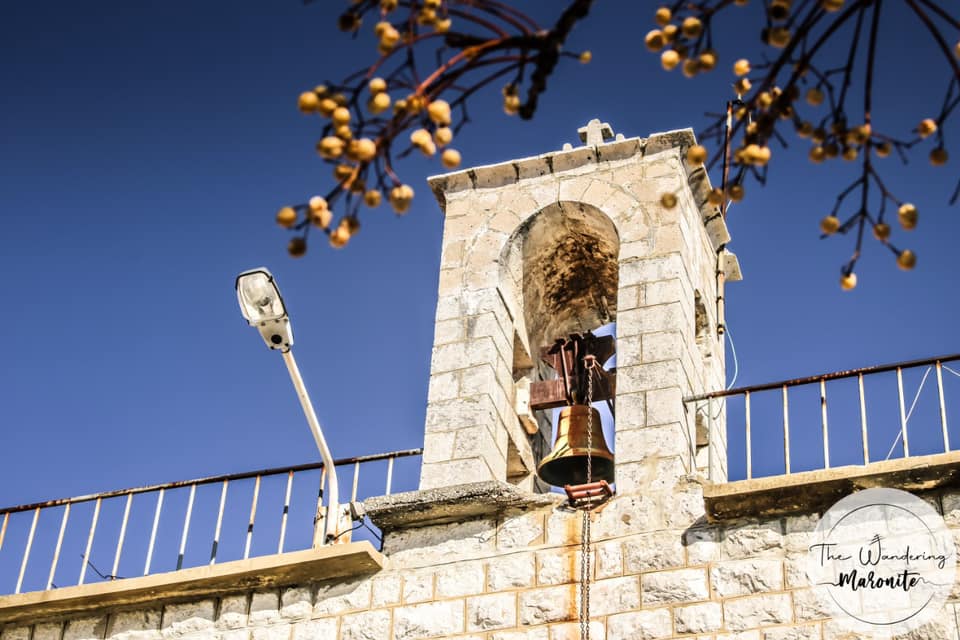
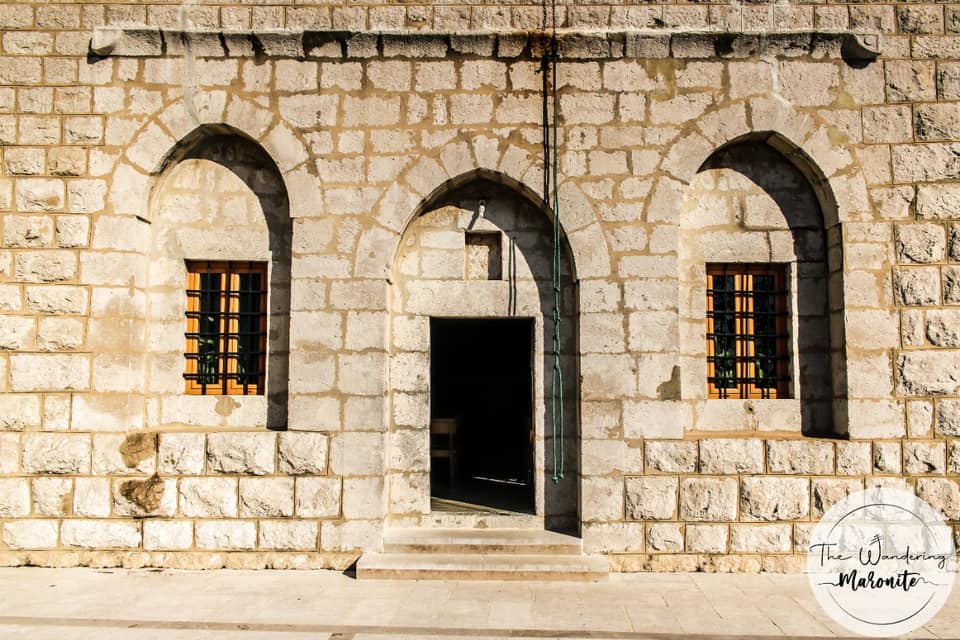
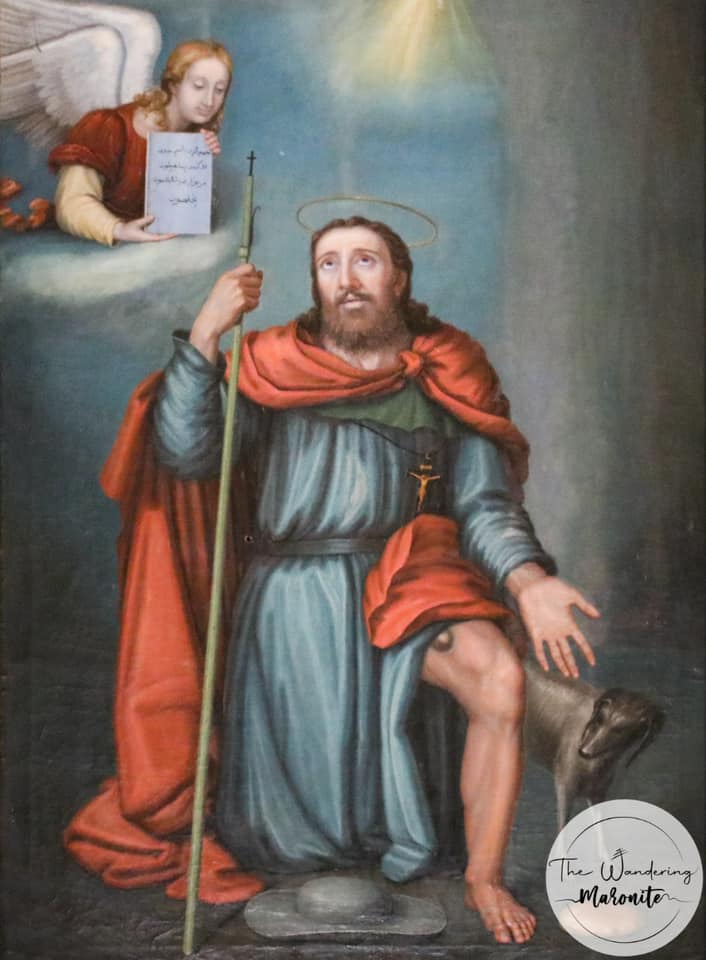
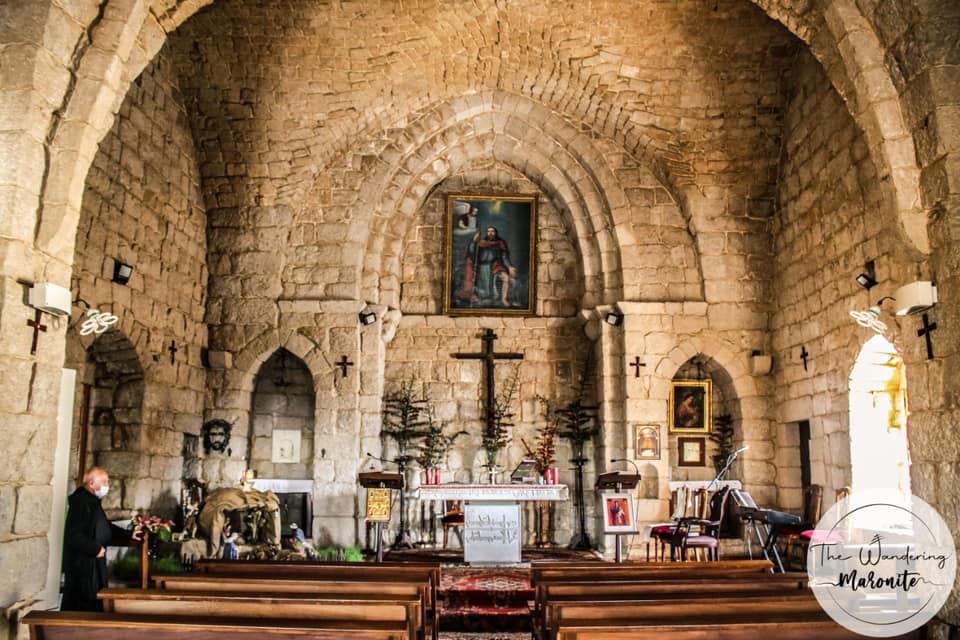
دير مار روكز – مراح المير القليعاتيُعتَبَر دير مار روكز – مراح المير أوَّل ديرٍ للرهبانيَّة في قضاء كسروان. بُني في ٢٦ أيلول ١٨٥٤، في عهد الأب العام سابا كرَيدي، بعد أن حصلت الرهبانيّة على رضى البطريرك يوسف راجي الخازن. وكان الانتهاء من بناء الدير سنة ١٨٦٢. سنة ١٩٩٠ رُمّم الدّير بعد القذائف التي دمّرت قسمًا كبيرًا منه، وبنيت بقربه مدرسة لتعليم الأولاد.The Monastery of St Rock - Mrah el Mir QlayaatThe Monastery of St Rock is the first one for the Lebanese Maronite Order in Kesserwan. It was built in 26 september 1854 during the reign of Abbot Saba Kreidy after the approval of Patriarch Youssef Raji el Khazen, and the construction was done in 1862. In 1990 the monastery was renovated after it was damaged by bombshells during the civil war. A shcool was added to educate local children.

Visited 4737 times, 2 Visits today
Reviews are disabled, but trackbacks and pingbacks are open.

Related Listings

The Valley of Houlat Hadshyt – The Church of Mart Shemouny

كنيسة القديسة شمونة, Hadchit, Lebanon

كنيسة مارت شموني

Hadchit

Bcharre

North

كنيسة مارت شموني - وادي حولات حدشيت

يُشَكِّل وادي حولات، جزءًا من وادي قاديشا.
بنيت كنيسة مارت شموني داخل تجويفٍ صخري، أواخر القرن الثاني عشر. تتألف من ثلاثة أسواق، إثنان أساسيّان مبنيان من الحجر والثالث محفور في الصَخر. كانت حتى ثمانينيّات القرن الماضي مَكسّوة بجداريات سريانيّة تعود للقرن الثالث عشر وتتشابه مع نظيراتها في بحديدات. على أبوابها نقوش مسيحانيّة ومريميّة.

The Church of Mart Shemouny- the valley of Houlat Hadshyt

The valley of Houlat is a part of the Qadisha valley. The church of Mart Shemouny was built in a rocky cliff, at the end of the XIIth century. It consists of three aisles: the two main ones are built with stone masonry, and the third is carved into the stone. Up until the 80’s the church was entirely covered by frescoes similar to those in Behdeidat. On the door are still visible Christological and Marial insignia.

Zebdine – The church of St John

كنيسة مار يوحنا المعمدان, Byblos, Lebanon

كنيسة مار يوحنّا المعمدان

Zibdine Jbayl

Jbeil

Mount Lebanon

كنيسة مار يوحنّا المعمدان - زبدين

هي كنيسة البلدة الرعائيّة بُنيت سنة ١٨٨١. البناء كناية عن عقدٍ مصالبٍ ينتهي بحنية. شفيع الكنيسة هو مار يوحنّا المعمدان ويُحتفل بعيده يوم قطع رأسه في ٢٩ آب. تضم الكنيسة لوحةً تمثل حدث استشهاد يوحنّا المعمدان، ونقش على الباب بمثل عماد المسيح.

The church of St John - Zebdine

The church is Zebdine’s parrochial church, it was built in 1881. It consists of a cribbed vault. The church is dedicated to St John the Baptist and it commemorates him on the 29th of August the feast of his martyrdom. The church holds a painting depicting the martyrdom of St John and an ornate wooden door depicting the Theophany.

Kaftoun – Monastery of our Lady

Monastery of Our Lady of Kaftoun, Kaftoun, Lebanon

دير السيّدة - كفتون

1910

Kaftoun

Koura

North

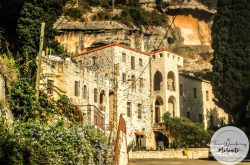
عود تأسيس الدّير الى القرن السادس، كُتِب عنه في منشورات تعود الى القرن التاسع موجودة في مكتبة أوكسفورد. تمَّ بناؤه على عِدَّة مراحل أمّا ترميمه الأخير فيعود الى العام 1910. الوجهة الخلفية للدير ملاصقة لشيرٍ صخريٍّ ضخم، وكنيسته في قلب الشير.
كان الدير بدايةً ديرًا مارونيًّا سكنه المطران (البطريرك لاحقًا) إرميا الدملصاوي. بعد حملات المماليك تنسّك فيه الرهبان الأرثوذكس. كانت أوجّ الحياة الرهبانيّة فيه عام ١٩٠٤. وفي بداية السبعينات أضحى مهجوراً ونُهبت كافة الأيقونات والمخطوطات. تجدّدت الحياة الرهبانيّة في الدّير سنة ١٩٧٧. عام ١٩٩٧ أُعيدت إليه أيقونة سيّدة كفتون العجائبيّة. تكمن أهميّة هذه الأيقونة أنّها مرسومةٌ على الوجهتين: الأولى تعود الى القرن الحادي عشر وتُمثِّل العذراء مريم والسيّد المسيح، والثانية تعود الى القرن الثالث عشر وتُمثِّل معموديّة السيّد المسيح ومدوَّنٌ عليها باللغات الثلاث: السريانيّة والعربيّة واليونانيّة، شهادةً عريقةً للطقس السريانيّ الملكيّ. يضُمّ الدير آثارًا تاريخيّةً قديمة كأجران منحوتة بالصخر وآبار ومطحنة ومعصرة قديمة تعود للقرن السادس.

The monastery was founded in the VIth century and many documents from the IXth century attesting its existence are still present in the Library of Oxford. The building was done over time up until 1910. The monastery is built inside a rocky cliff, with the main church inside the cave. At first the monastery was served by the Maronites and was the seat of Bishop (later patriarch) Jeremiah of Dmalsa. After the Mamluk’s raids the ownership was taken by the Orthodox hermits. The monastic life saw its peak in 1904 yet it declined up to the seventies when the monastery was deserted and looted. The monastic life would be renewed in 1977. In 1997 the miraculous icon of Our Lady of Kaftoun was returned. The importance of that icon reside in its being a double sided icon: on the first side dating back to the XIth century is a depiction of the Theotokos, on the other one dating back to the XIIIth century is a Theophany with inscriptions in Arabic Greek and Syriac, a true witness to the Syriac Melkite Rite.